Tourist Sites
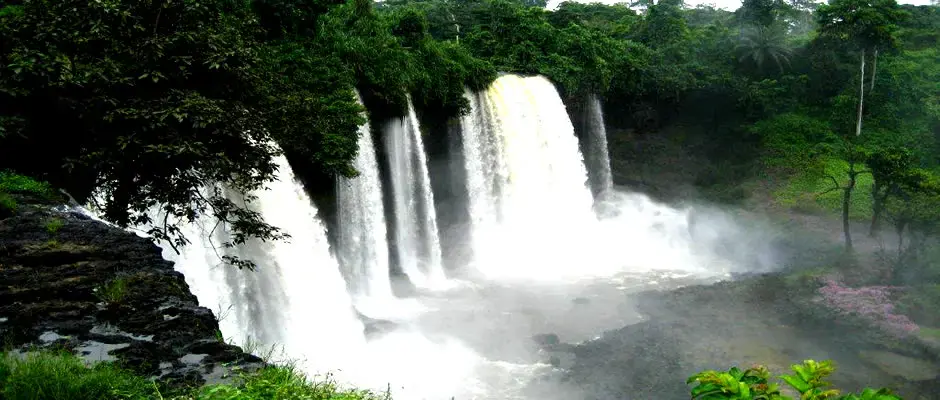
Agbokim Waterfalls
Agbokim, Etung L.G.ASometimes called the “Seven-Faced Wonder,” Agbokim Waterfalls is made up of seven streams (tributaries) cascading over cliffs into lush tropical r...
Sometimes called the “Seven-Faced Wonder,” Agbokim Waterfalls is made up of seven streams (tributaries) cascading over cliffs into lush tropical rainforest.
It’s about 17–25 km from Ikom, in Etung LGA, near the Nigeria-Cameroon border.
The falls are known for their scenic beauty, steep hills, forest cover, and views, as well as the rainbow effects when sunlight hits the mist.
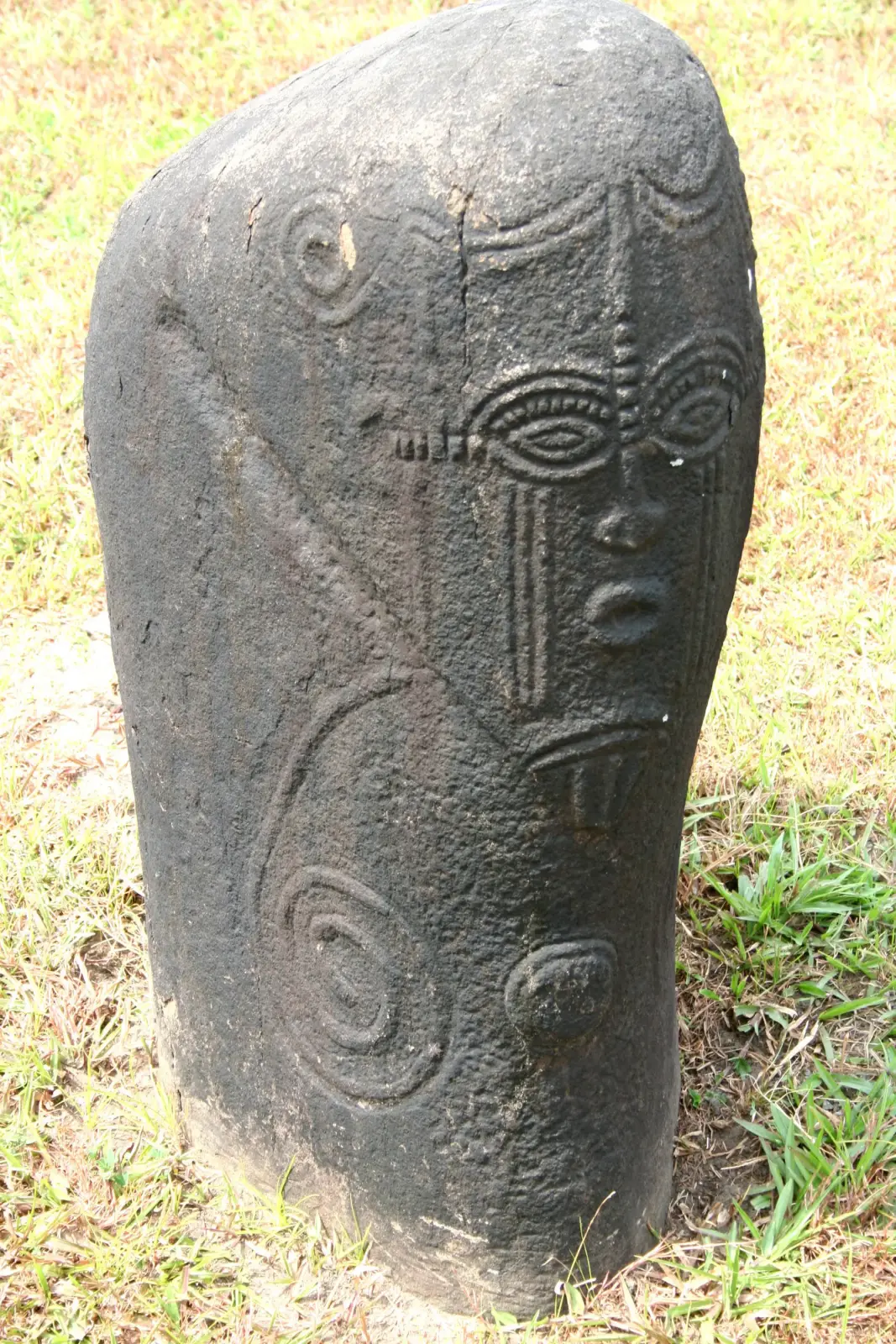
Alok Monolith (Open-Air) Museum
Alok, Ikom L.G.AAlso called the Ikom Monoliths or Alok Ikom Stone Monoliths. These are a series of carved volcanic-stone monoliths located in over 30 communities arou...
Also called the Ikom Monoliths or Alok Ikom Stone Monoliths. These are a series of carved volcanic-stone monoliths located in over 30 communities around Alok (Ikom area). There are around 300 of them, arranged in circles, facing each other; heights range from about 0.3 m to ~1.8 m (1–6 ft).
Some are carved in basalt; others in sandstone or shelly limestone. Many have stylized faces, decorative patterns, inscriptions (not yet deciphered).
They’re considered culturally significant for the Ejagham people, reflecting practices of visual communication, ritual or communal use.

Obudu Mountain Resort (OMR)
Obanliku L.G.AOne of the most famous mountain resorts in Nigeria. Located on the Obudu Plateau / Sankwala Mountains, at altitudes around 1,576-1,700 meters, it offe...
One of the most famous mountain resorts in Nigeria. Located on the Obudu Plateau / Sankwala Mountains, at altitudes around 1,576-1,700 meters, it offers cool climate, scenic mountain vistas, rolling hills and forested surroundings.
Facilities are broad and upscale: chalet/hut-style and villa accommodations (including “African round huts” on stilts), restaurants (terrace, steak house etc.), gym, spa, sports (tennis courts, squash, a 9-hole golf course), natural swimming pools, grotto waterfalls, canopy walks, cable car system (when operational), nature trails, Becheve nature reserve, etc.
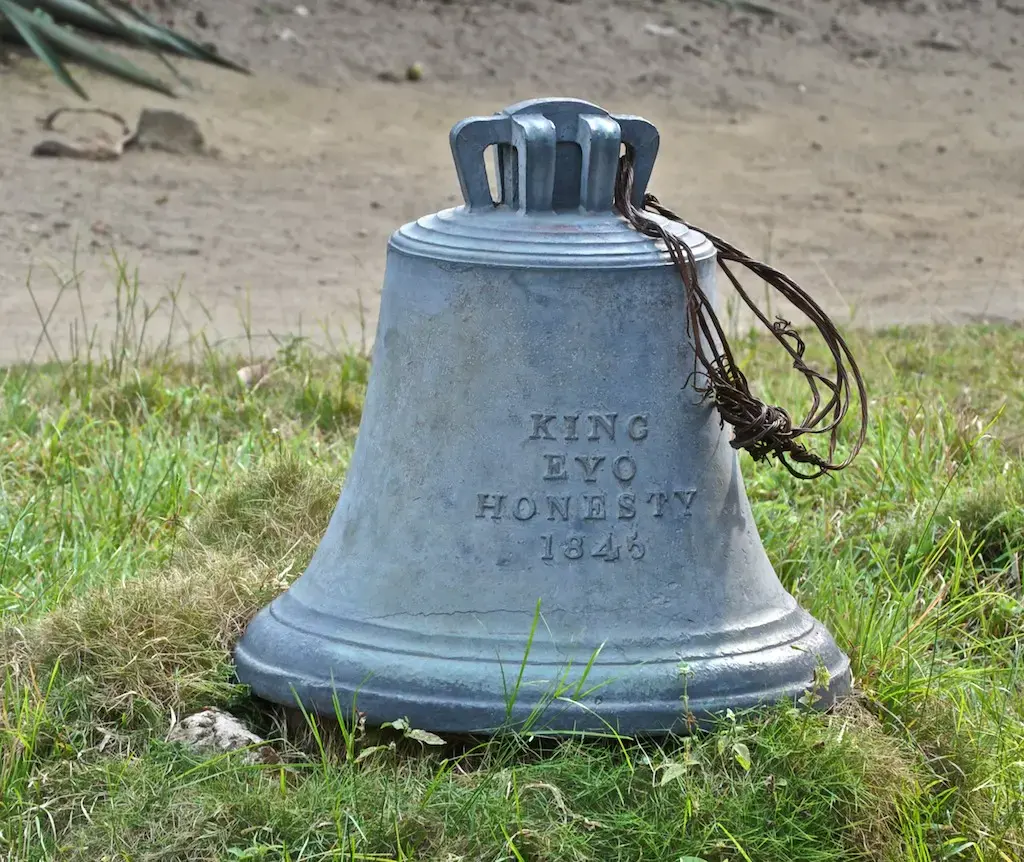
King Eyo Honesty II’s Bell (1845)
Creek Town, Odukpani L.G.AKing Eyo Honesty II (Eyo Eyo Nsa) was paramount ruler of Creek Town. He is historically credited with inviting missionaries, instituting social reform...
King Eyo Honesty II (Eyo Eyo Nsa) was paramount ruler of Creek Town. He is historically credited with inviting missionaries, instituting social reforms (including abolishing twin killings, human sacrifices), and playing a key role in shaping Creek Town’s transition during early 19th century.
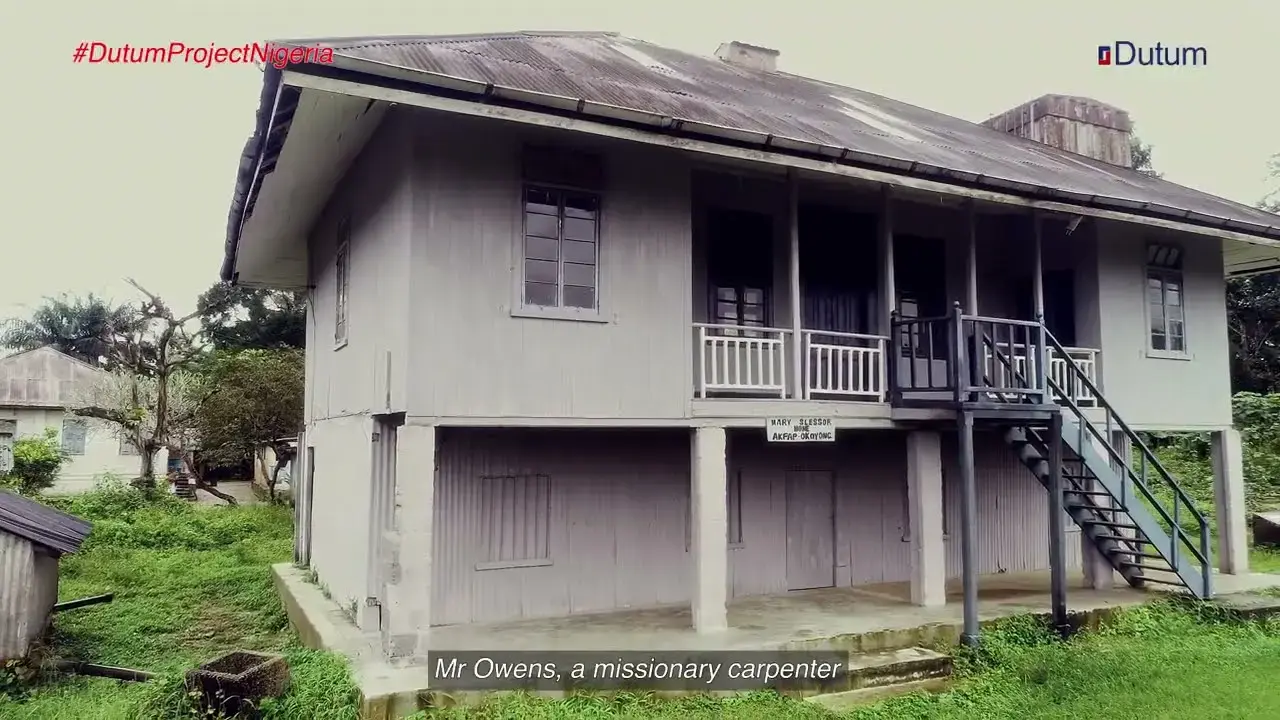
Mary Mitchell Slessor’s Residence
Akpap Okoyong, Odukpani L.G.AMary Mitchell Slessor, a Scottish missionary, made Akpap Okoyong her base in Cross River. Her original house (built circa 1887, later expanded/restore...
Mary Mitchell Slessor, a Scottish missionary, made Akpap Okoyong her base in Cross River. Her original house (built circa 1887, later expanded/restored) was a modest dwelling (initially mud structure, then upgraded) with veranda, parlour, store. It served not only as her residence but also a site of social intervention - she worked to abolish certain customs (like twin killings) and acted in a judicial/reconciliation capacity locally.
Today the house has been restored and is a tourism attraction. It is used as a rest home for missionaries (and formerly some healthcare functions), and stands as a heritage site evoking colonial mission history, local cultural change, and the intersection of indigenous societies and European missions.
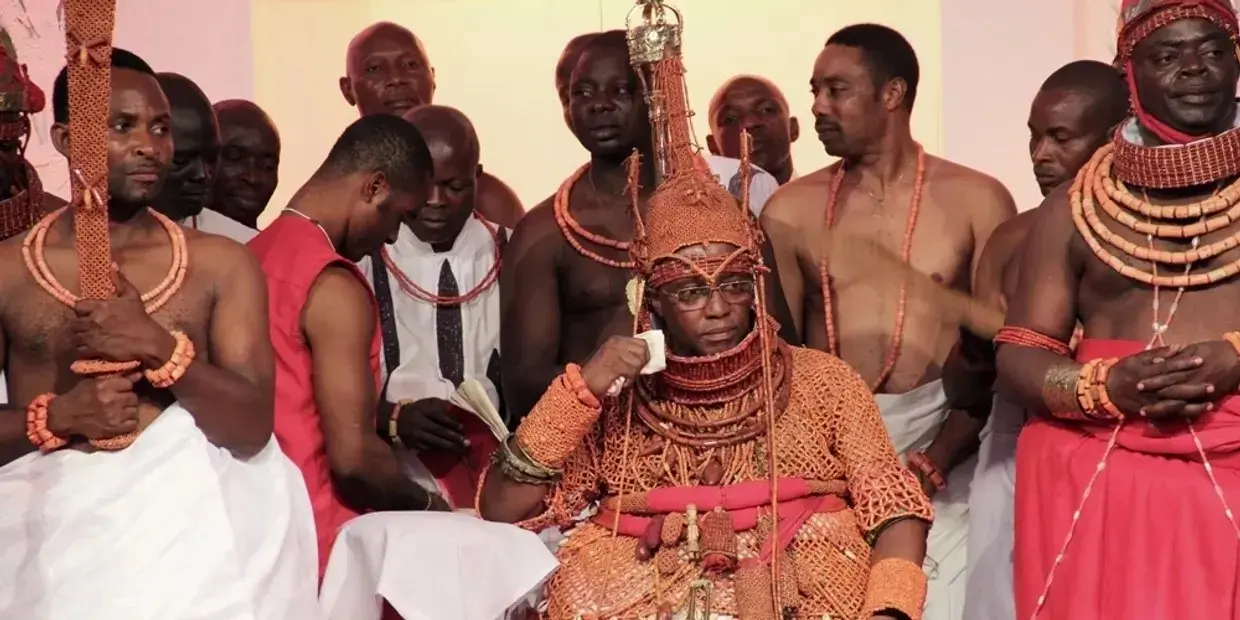
Oba Ovonramwen’s Last Residence (Benin Kingdom Heritage Site)
97 Calabar Road, CalabarOba Ovonramwen (the late 19th-century Oba of Benin) was exiled to Calabar after the 1897 British punitive expedition; accounts note his presence and d...
Oba Ovonramwen (the late 19th-century Oba of Benin) was exiled to Calabar after the 1897 British punitive expedition; accounts note his presence and death in the Calabar area during exile. The site at 97 Calabar Road is referenced locally as connected to his last days in exile and is treated as a Benin-Kingdom heritage touchpoint in cross-regional histories of the era. For background on Oba Ovonramwen’s exile and historic significance, consult Benin Kingdom histories.
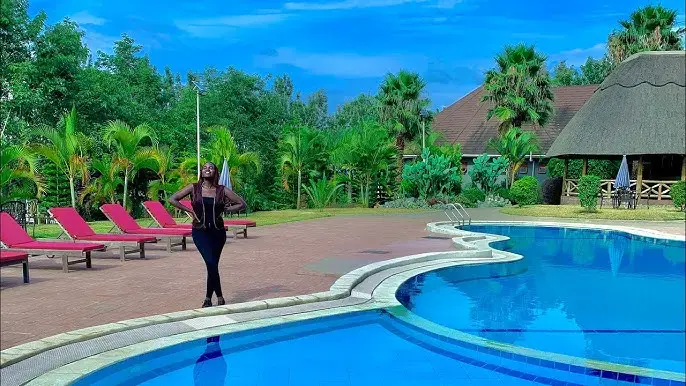
Aqua Vista Resort
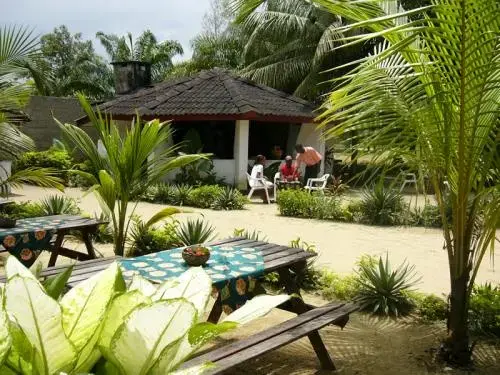
CalabarAqua Vista (sometimes listed as “Aqua Vista Farm & Resort” / “Aqua Vista Farm and Resort”) is a private leisure property near Calabar that fea...
Aqua Vista (sometimes listed as “Aqua Vista Farm & Resort” / “Aqua Vista Farm and Resort”) is a private leisure property near Calabar that features lodging, leisure grounds and event spaces; it appears in hospitality listings and hotel/booking sites for Calabar. It’s used for small conferences, weddings, and weekend leisure escapes by locals and visitors.
Tinapa Business & Leisure Resort (and Tinapa Lakeside Hotel)
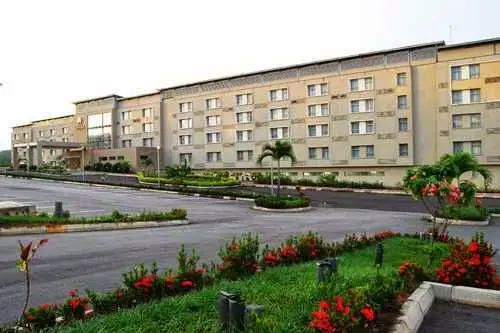
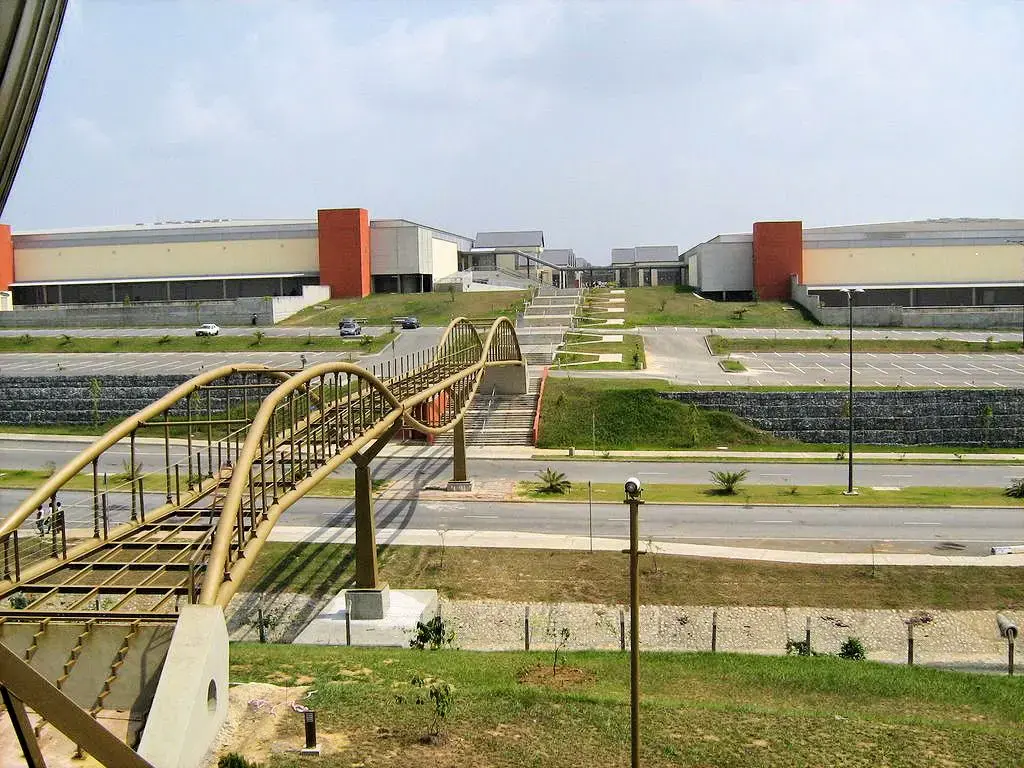
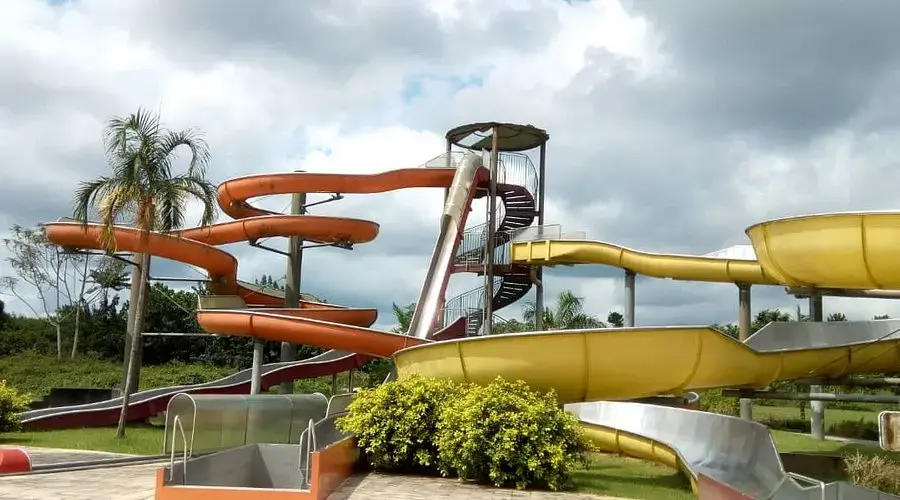
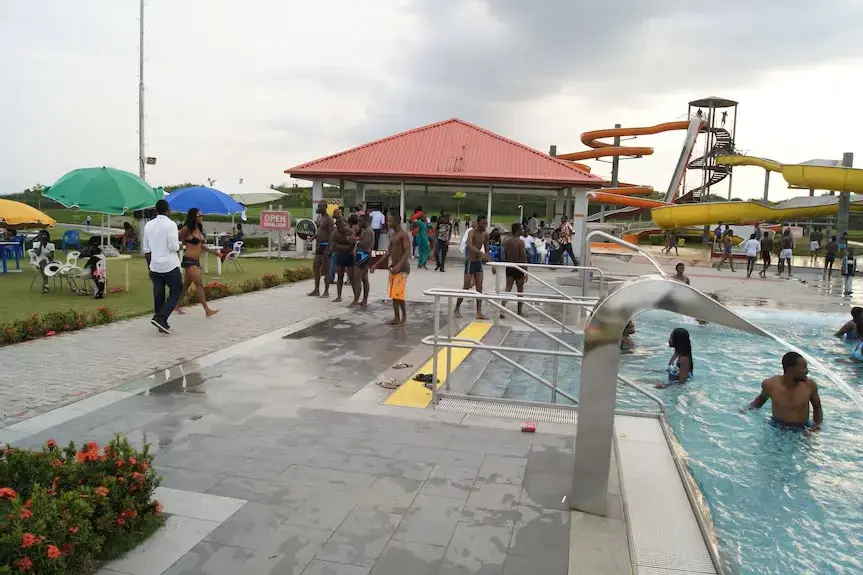
Adiabo, Odukpani L.G.ATinapa is Calabar’s large, government-backed business and leisure complex initiated by Governor Donald Duke and opened in phases from 2007. Designed...
Tinapa is Calabar’s large, government-backed business and leisure complex initiated by Governor Donald Duke and opened in phases from 2007. Designed as a mixed free-trade/retail/tourism hub, Tinapa includes shopping emporiums, entertainment, an artificial tidal lake, a movie studio, and a lakeside hotel. The project has had boom/bust cycles - major investment and an opening in 2007, followed by periods of underuse and attempts at revitalization; recent reporting notes ongoing efforts and critiques about infrastructure and legal status. The Tinapa Lakeside Hotel is the on-site accommodation tied to the resort complex.
Palace of the Obong of Calabar
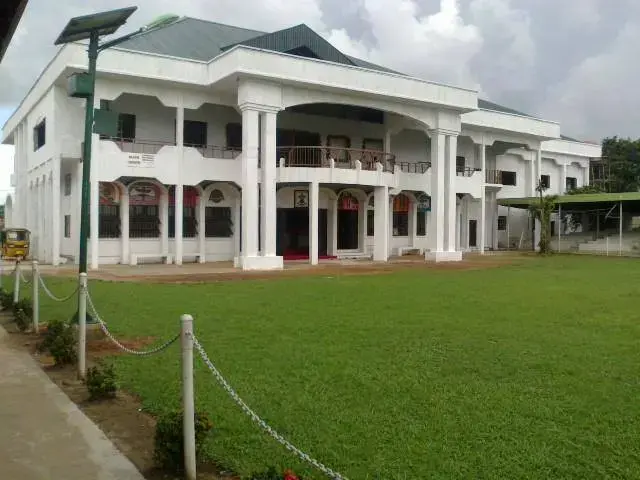
7 Efanga Ansa Street, Duke Town, CalabarThis is the official residence of the Obong (king) of Calabar, the traditional monarch of the Efik people. The current Obong is Edidem Ekpo Okon Aba...
This is the official residence of the Obong (king) of Calabar, the traditional monarch of the Efik people.
The current Obong is Edidem Ekpo Okon Abasi Otu V.
The palace is on Efanga Ansa Street, Duke Town. It serves ceremonial, administrative, and cultural roles: hosting the Obong’s council, receiving visitors, cultural events, and being a visible symbol of the Efik institution.
European Cemetery
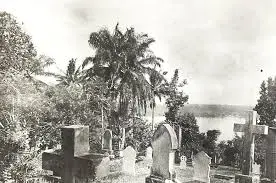
Mission Hill / Anderson Street, CalabarThe European Cemetery is a colonial-era burial ground located on Anderson Street (near Mission Hill) in Calabar. It is notable for including the tom...
The European Cemetery is a colonial-era burial ground located on Anderson Street (near Mission Hill) in Calabar.
It is notable for including the tomb of Mary Slessor, the missionary who worked among the Efik and beyond (born 1848, died 1915), whose body was later exhumed and re-buried here.
Queen Elizabeth II and Prince Philip visited the cemetery in 1956 and laid a wreath at Mary Slessor’s tomb.

Ekpo Ekpo Bassey’s House (1886)
19 Boco Street, CalabarThe house is dated 1886 (or at least ascribed an 1886 construction, though exact sourcing of date is less firm in academic sources). It’s located at...
The house is dated 1886 (or at least ascribed an 1886 construction, though exact sourcing of date is less firm in academic sources). It’s located at 19 Boco Street in Duke Town. It is often included in heritage walks because of its link to early missionary / Christian church history.
Duke Town Presbyterian Church
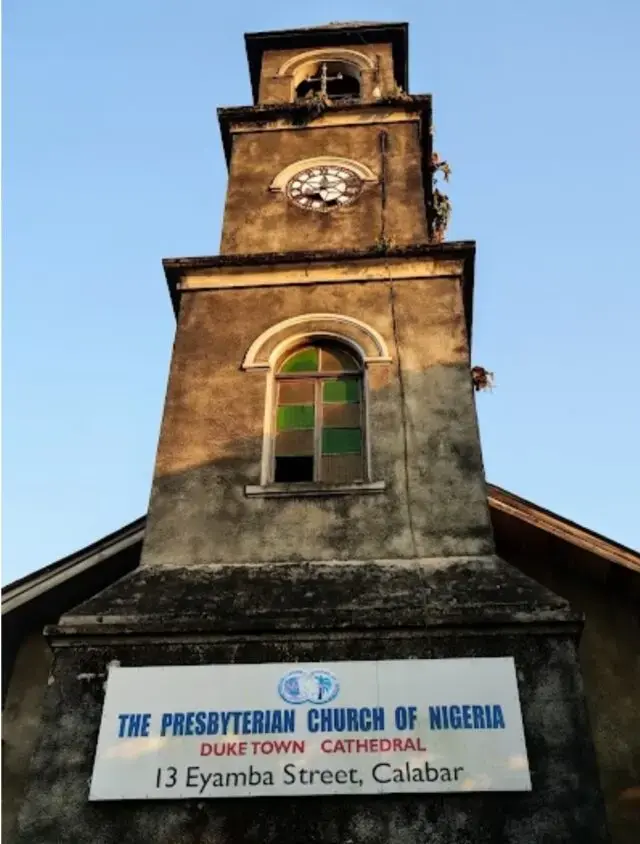
Eyamba Street by Offiong Square, CalabarOne of the major churches in Old Calabar. It was established in the early 20th century (1904 is often cited) by the Scottish Mission / Presbyterian Ch...
One of the major churches in Old Calabar. It was established in the early 20th century (1904 is often cited) by the Scottish Mission / Presbyterian Church of Nigeria.
It features in many heritage / walking-tours of Duke Town because of its architectural style and its role in the spread of Christianity under colonial / pre-colonial era conditions. The church is also physically proximate to many other heritage structures (shrines, palaces, historic houses).
Calabar Cultural Centre Complex
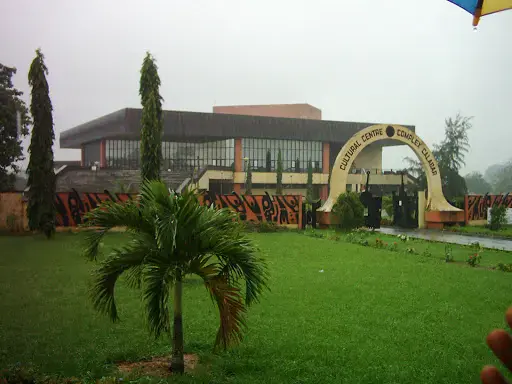
Mary Slessor Avenue, CalabarThe Cultural Centre Complex is a government facility (Cross River State) used for cultural and social events. It was built over 50 years ago (so mid-2...
The Cultural Centre Complex is a government facility (Cross River State) used for cultural and social events. It was built over 50 years ago (so mid-20th century) under a past military administration.
As of 2025, there's been a remodeling / upgrade project to give it a more “iconic” look, with improved aesthetics, perhaps an aquarium, and enhancements to make it more attractive for both locals and tourists.
It’s also on a major route used for the Calabar Carnival, so its visibility and symbolic importance in the city are high.
CERCOPAN (Centre for Education, Research and Conservation of Primates and Nature)
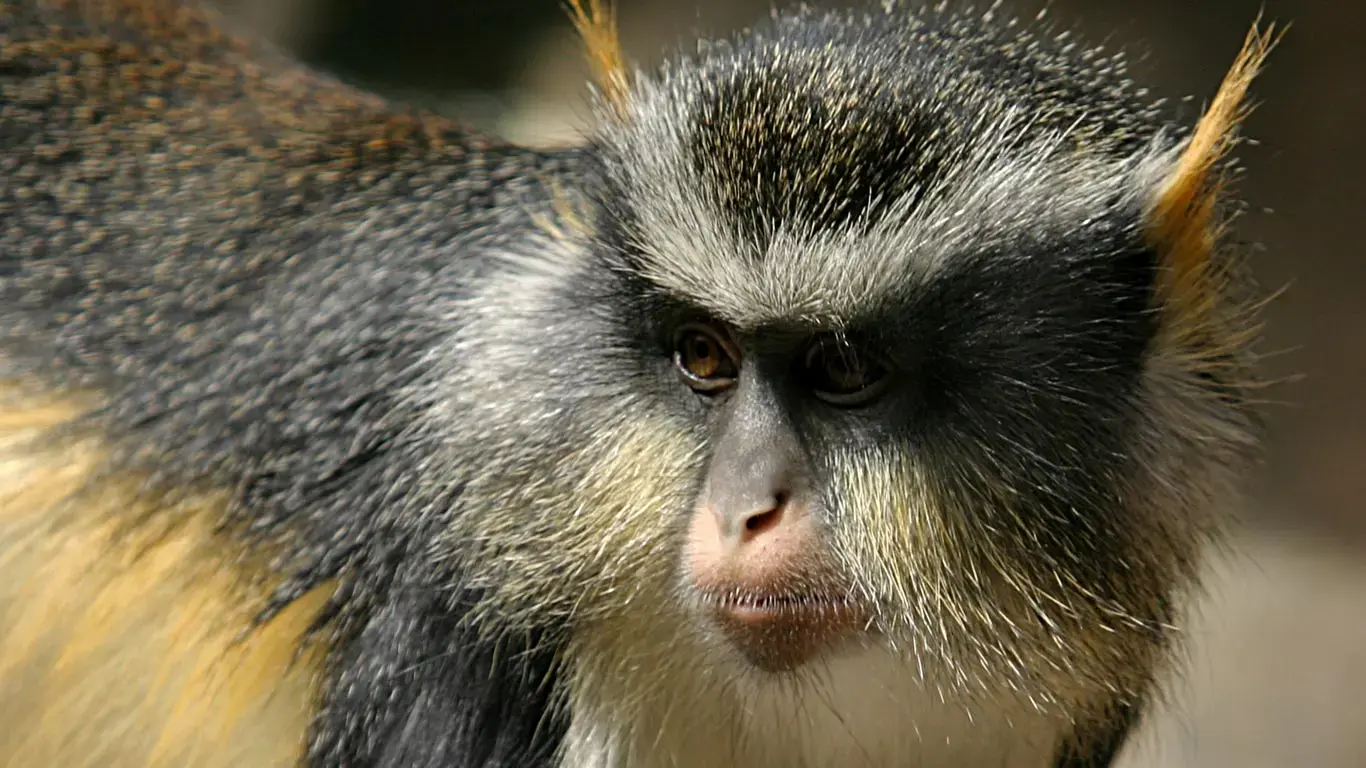
3 Eyo Ishie Street, Off M/M HighwayCERCOPAN is an NGO established in 1995 by the Canadian conservationist Zena Tooze. Originally it served as a sanctuary for confiscated primates; over ...
CERCOPAN is an NGO established in 1995 by the Canadian conservationist Zena Tooze. Originally it served as a sanctuary for confiscated primates; over time it expanded into environmental education, community rainforest conservation, primate rehabilitation, and research.
Their headquarters are in Calabar, with additional sites in more forested / remote regions. It aims to protect primate species, restore forest habitat, and educate surrounding communities and students.
St. Patrick’s College
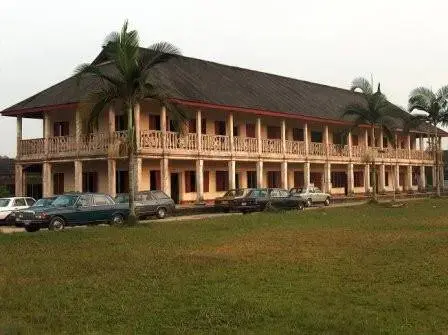
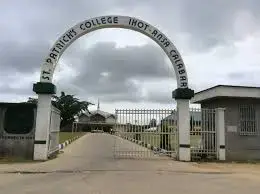
Ikot Ansa RoadSt. Patrick’s College (often “SPACO”) was founded in 1934 by Irish missionaries. It has a strong reputation in Cross River State for producing n...
St. Patrick’s College (often “SPACO”) was founded in 1934 by Irish missionaries. It has a strong reputation in Cross River State for producing notable alumni, both in government and other fields, especially because of its long history of combining academic rigor with moral training.
In 2024 the school celebrated its 90th anniversary, which reaffirmed its importance in educational development in the region.
Calabar Golf Club
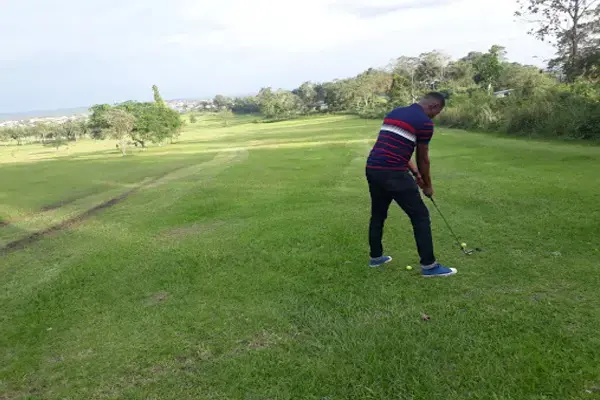
Army Junction, CalabarThe Calabar Golf Club, commissioned in 1991, has long been a key part of Calabar’s sports & recreation scene. Recently, the Cross River State govern...
The Calabar Golf Club, commissioned in 1991, has long been a key part of Calabar’s sports & recreation scene. Recently, the Cross River State government under Governor Bassey Edet Otu began a major rehabilitation of the club, upgrading the clubhouse, improving the course and installing sprinklers to keep the greens in good shape year-round.
Hope Waddell Training Institution (1894 Premier Block)
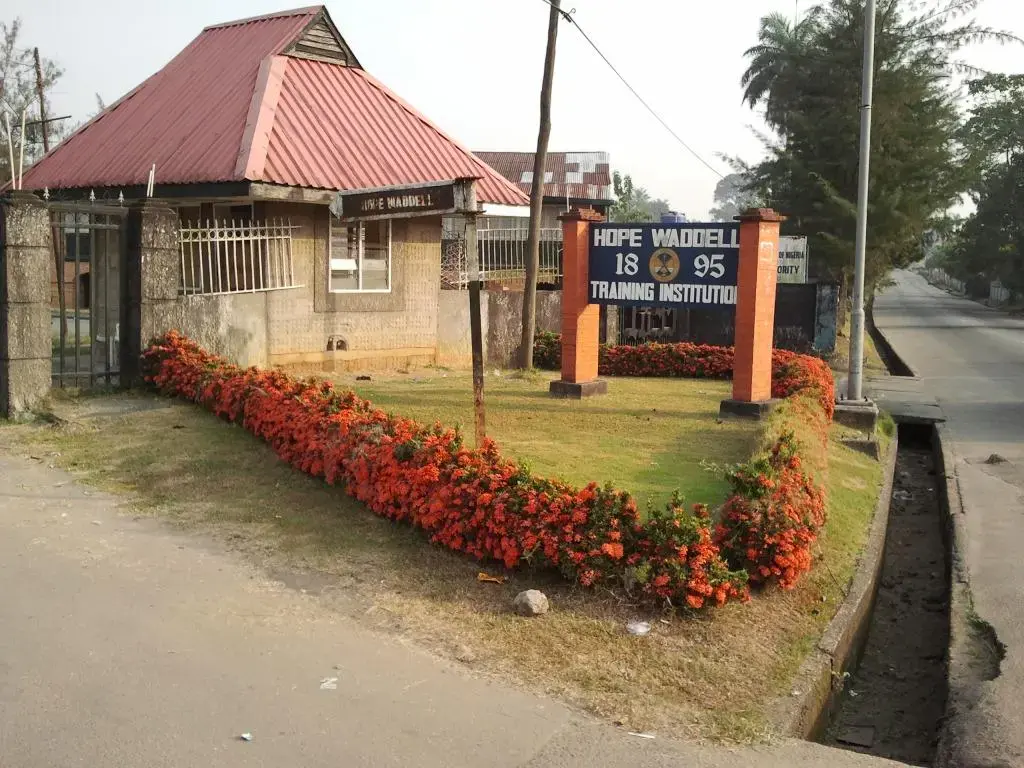
Opp. Governor’s Office, CalabarHope Waddell Training Institution (often “HOWAD”) was founded in 1895 by missionaries of the United Presbyterian Church of Scotland. The “Premie...
Hope Waddell Training Institution (often “HOWAD”) was founded in 1895 by missionaries of the United Presbyterian Church of Scotland. The “Premier Block” is an oldest building (prefabricated storey building), dating roughly to 1894, with colonial architecture.
Over time the school had infrastructure degradation. Alumni associations have undertaken efforts to restore/rebuild the Premier Block and other facilities.
Recently (2025), the school marked its 130th anniversary, launched a ₦1 billion endowment fund, restored a few labs, their library, ICT facilities, etc.
The Old Residency National Museum
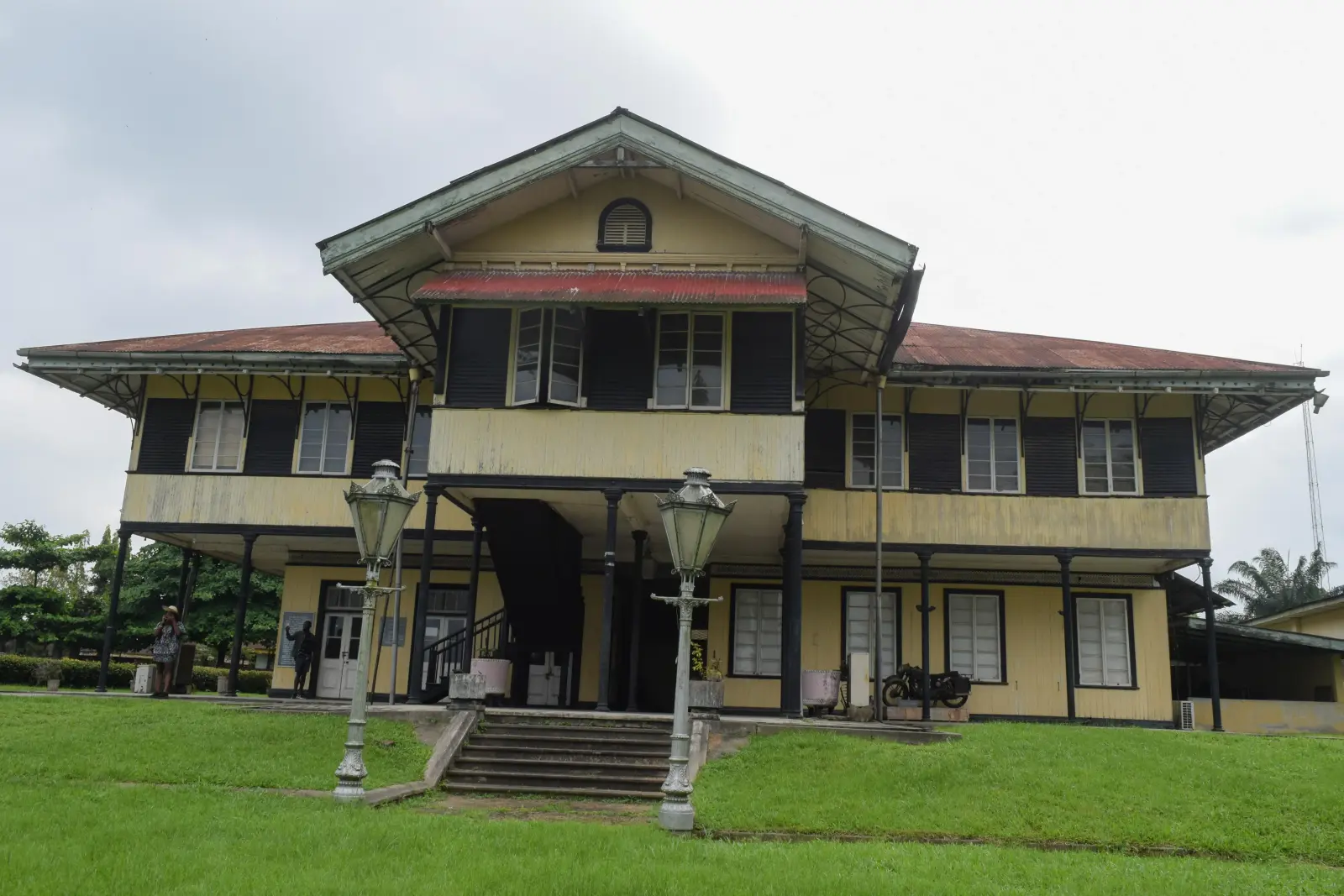
Old Colonial Residency, CalabarOriginally built in 1884 as the British colonial Government House, prefabricated in Britain then shipped to Calabar. Declared a national monument in ...
Originally built in 1884 as the British colonial Government House, prefabricated in Britain then shipped to Calabar. Declared a national monument in 1959; renovated by the National Commission for Museums and Monuments in 1986.
Now it functions as a museum with significant collections: historic documents, artifacts about local history (Calabar, Cross River region), and the slave-trade era.
Mbe Mountain (Gorilla Sanctuary)
Boki L.G.AThe Mbe Mountains (≈ 85 km²) are a vital habitat corridor linking Afi Mountain Wildlife Sanctuary to the Okwangwo Division of Cross River National ...
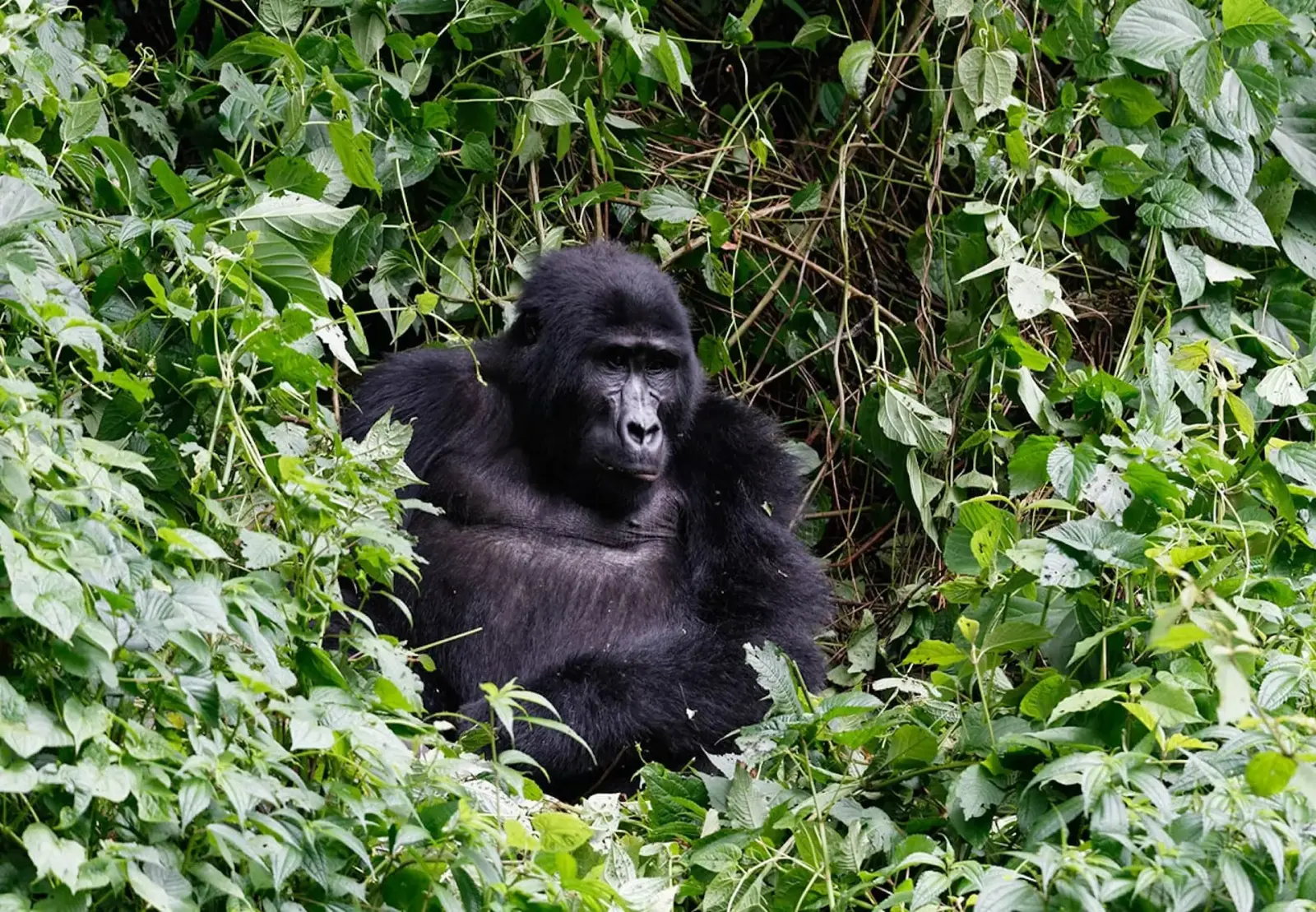
The Mbe Mountains (≈ 85 km²) are a vital habitat corridor linking Afi Mountain Wildlife Sanctuary to the Okwangwo Division of Cross River National Park. They rise up to ~900 meters and are traditionally owned by nine surrounding communities; conservation efforts there have been led by the Conservation Association of the Mbe Mountains with support from groups like WCS (Wildlife Conservation Society).
Biodiversity is impressive: endangered species like the Cross River gorilla (Gorilla gorilla diehli), Nigeria-Cameroon chimpanzee, drill monkeys, grey-necked rockfowl, even occasional forest elephant visits are reported.
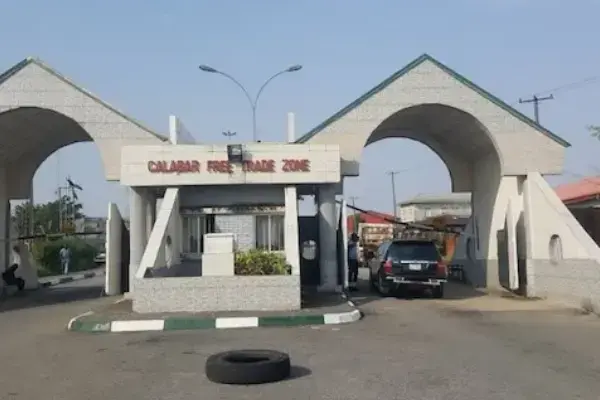
Calabar Free Trade Zone (CFTZ)
Off M/M Highway, CalabarThe Calabar Free Trade Zone (originally called the Calabar Export Processing Zone) is a special economic/industrial area just north of the Port of Cal...
The Calabar Free Trade Zone (originally called the Calabar Export Processing Zone) is a special economic/industrial area just north of the Port of Calabar in Cross River State. It was established under Nigerian law in 1992, fully developed by ~1999, and officially commissioned in November 2001. At the start it covered about 152 hectares; later the state government added more land so the total area is around 220 hectares.
The zone hosts companies in manufacturing, trade, services, and oil/gas-related industries.
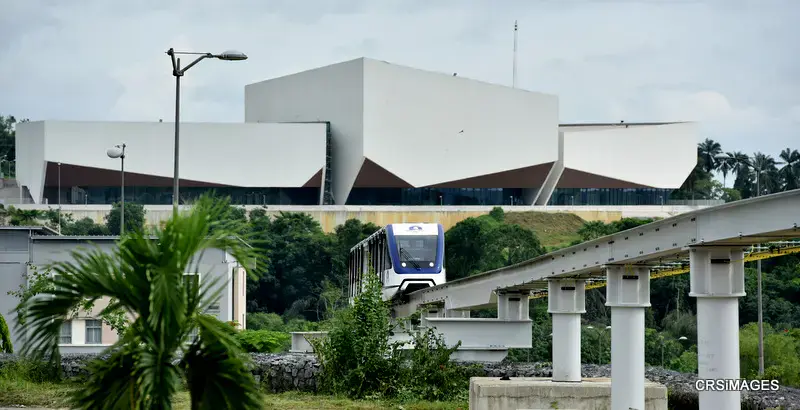
Calabar International Convention Centre (CICC)
Summit Hills, off M/M Highway, CalabarOpened around 2015, built under Gov. Liyel Imoke. Designed by Henning Larsen Architects (a Danish firm). Capacity: total floor space ~ 35,000 sqm;...
Opened around 2015, built under Gov. Liyel Imoke.
Designed by Henning Larsen Architects (a Danish firm).
Capacity: total floor space ~ 35,000 sqm; many conference/meeting halls (about 21 venues), with several large auditoria (2,000 delegates) and rooms for smaller meetings.
Part of the “Summit Hills” mixed-use development: includes business hotel, golf course, residential, hospital etc. It's in a Free Trade Zone, which gives tax/exemption advantages for organizers/exhibitors.
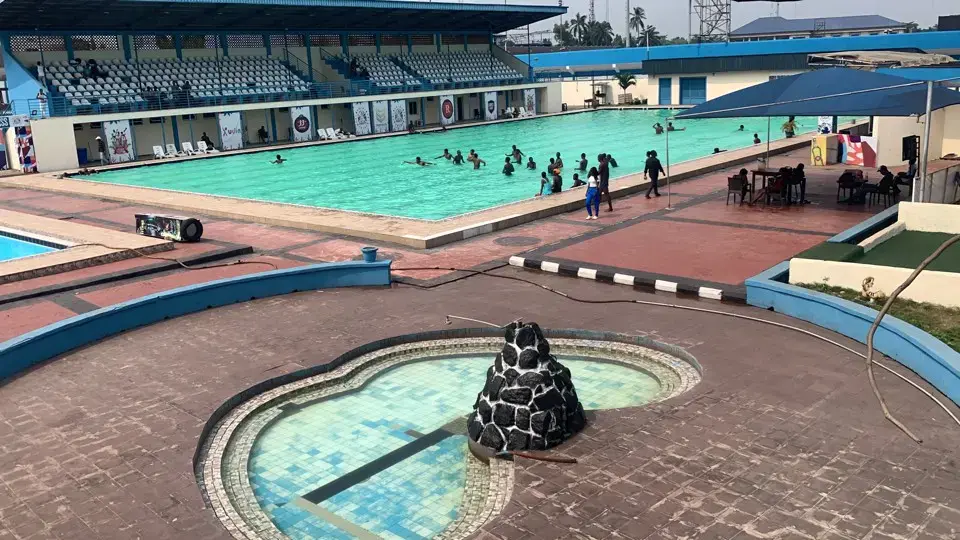
Calabar Sports Club
M/M Highway, CalabarFounded in 1898, making it one of the oldest sports clubs in Nigeria. Originally called the “European Club” located on Leopard Town Road, but as...
Founded in 1898, making it one of the oldest sports clubs in Nigeria.
Originally called the “European Club” located on Leopard Town Road, but as the city grew, the government relocated it to its present site along the Murtala Muhammed Highway.
Facilities: tennis courts, billiards, events centre, gym, VIP lounge, and more.
It also recently got UTR (Universal Tennis Rating) certification by the International Tennis Federation—shows it’s still active, particularly in tennis.
crossriverwatch.com
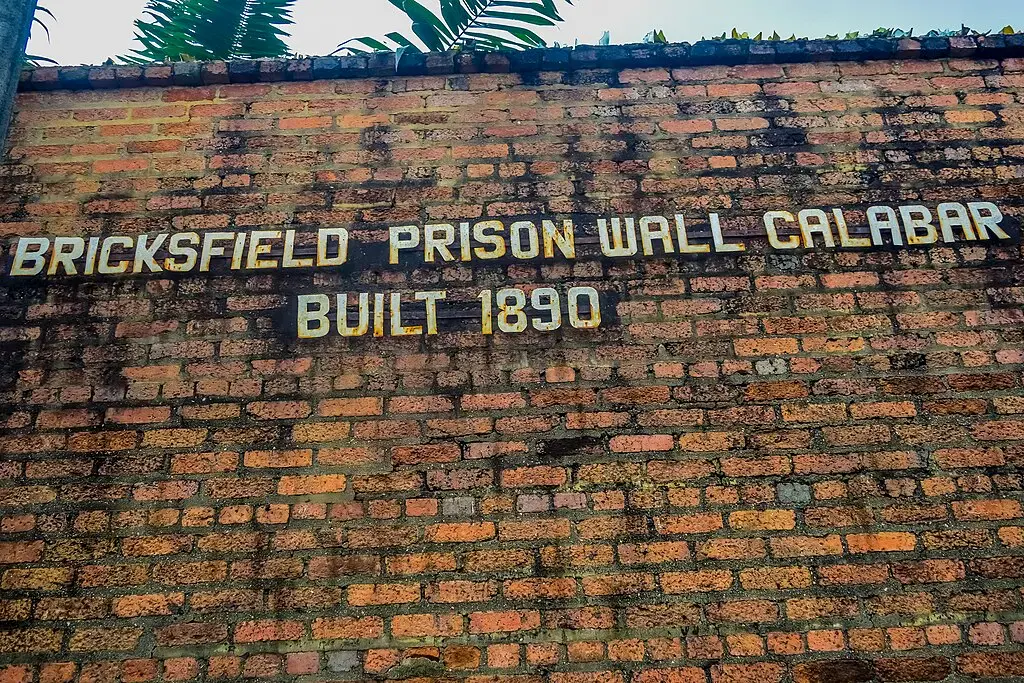
Brickfield Prison Wall (1890)
State Library Complex, CalabarThis is a historical remnant: the Brickfield Prison, built in 1890 (some sources call it the first maximum security prison in Calabar) was constructed...
This is a historical remnant: the Brickfield Prison, built in 1890 (some sources call it the first maximum security prison in Calabar) was constructed with bricks, some made at a place called Brickfield in Itu. The prison no longer stands: the building was destroyed during the Nigerian Civil War (1967-1970).
The State Public Library now occupies the site (or near it). The wall remains a visible relic and serves as a poignant reminder of colonial-era justice/penal history in Calabar.
Millennium Park
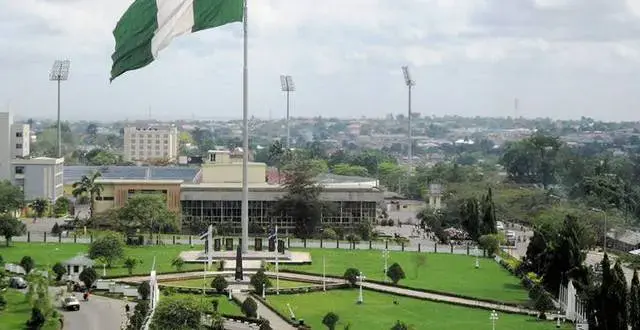
Calabar Road by “11-11” RoundaboutMillennium Park (also called the Cenotaph in local context) is a public park at the “Eleven-Eleven” Roundabout on Calabar Road. It features well-m...
Millennium Park (also called the Cenotaph in local context) is a public park at the “Eleven-Eleven” Roundabout on Calabar Road. It features well-manicured lawns, gardens, fountains, walkways, and a large flagpole (with a huge Nigerian flag) which is a major visual landmark.
The park functions both as a recreational green space (for locals and visitors to relax) and a place of commemoration, especially on national days and during the Calabar Carnival.
Slave History Museum
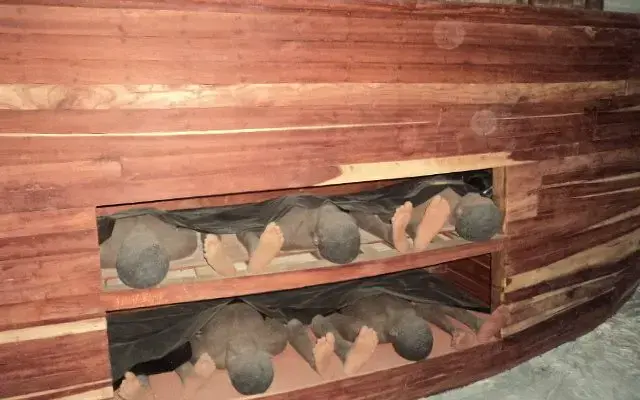
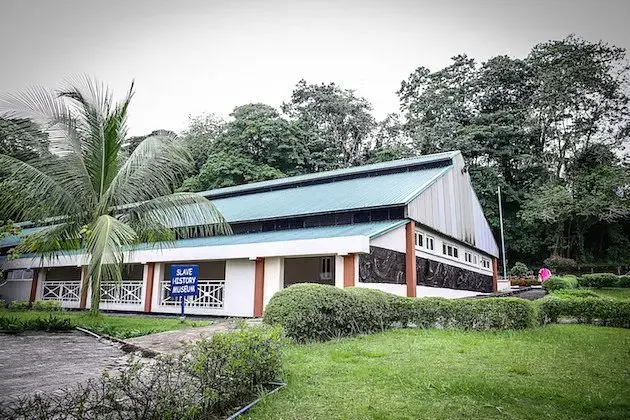
Calabar Marina ResortThe Slave History Museum is housed within the Marina Resort complex, located in a building that was once a barracoon (holding cell) in a former 15th-c...
The Slave History Museum is housed within the Marina Resort complex, located in a building that was once a barracoon (holding cell) in a former 15th-century slave-trading warehouse. Its exhibits trace Calabar’s role in the trans-Atlantic slave trade: local slave markets (such as Esuk Mba in Akpabuyo), the paraphernalia of enslavement (chains, shackles), the currencies used in procurement (e.g. brass, copper, bells), how slaves were transported, and stories of abolition.
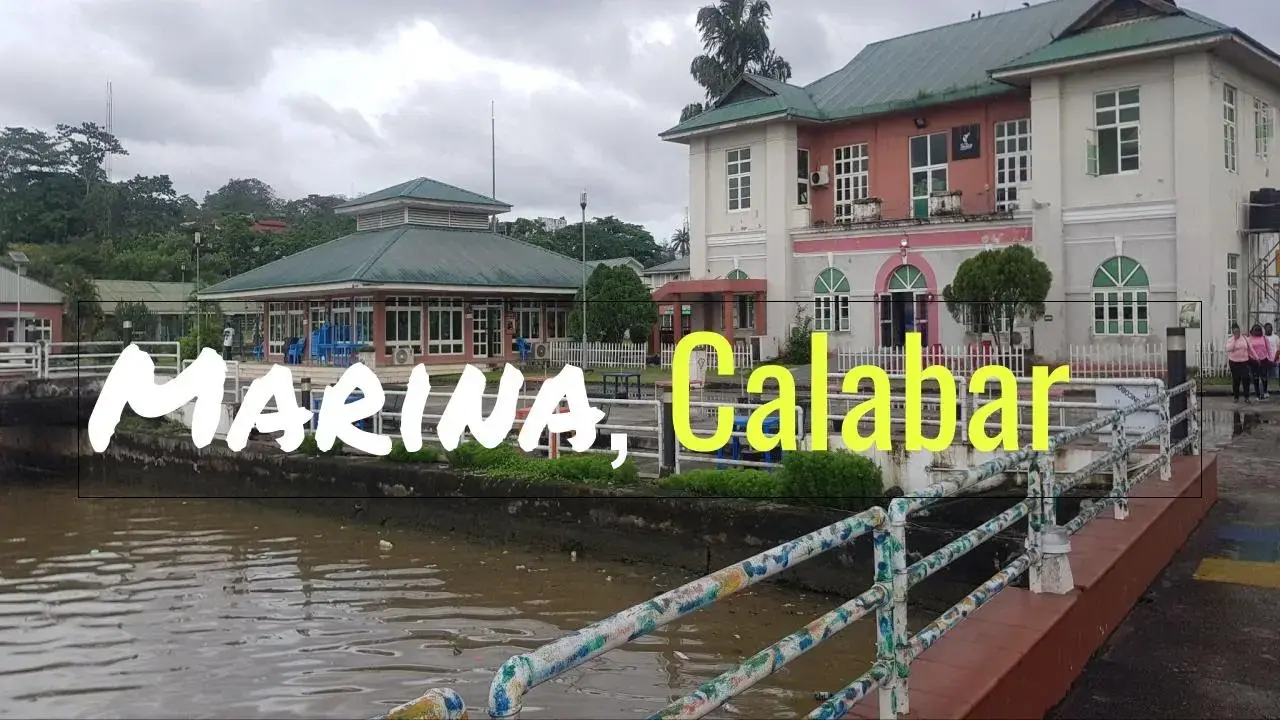
Calabar Marina Resort
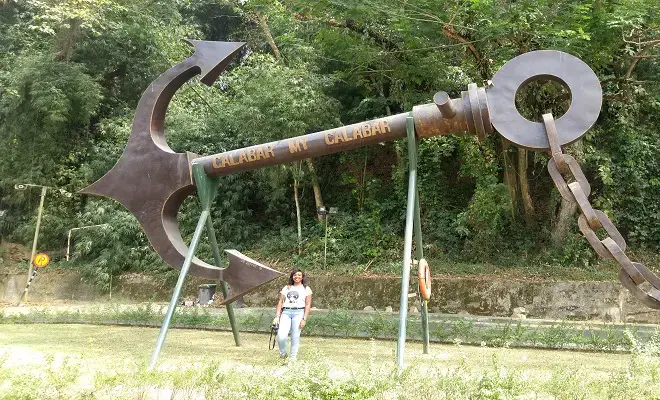
Calabar Waterfront, Duke TownThe Marina Resort was built on May 26, 2007 by former Governor Donald Duke as part of a plan to boost tourism in Calabar. It sits on what was formerly...
The Marina Resort was built on May 26, 2007 by former Governor Donald Duke as part of a plan to boost tourism in Calabar. It sits on what was formerly a slave port / warehouse site (Marina Beach), so there’s both recreation and historical memory in the layers of the place.
Features include a waterfront promenade, restaurants, bars, cinemas, gardens, and entertainment/relaxation spaces.
Cross River National Park
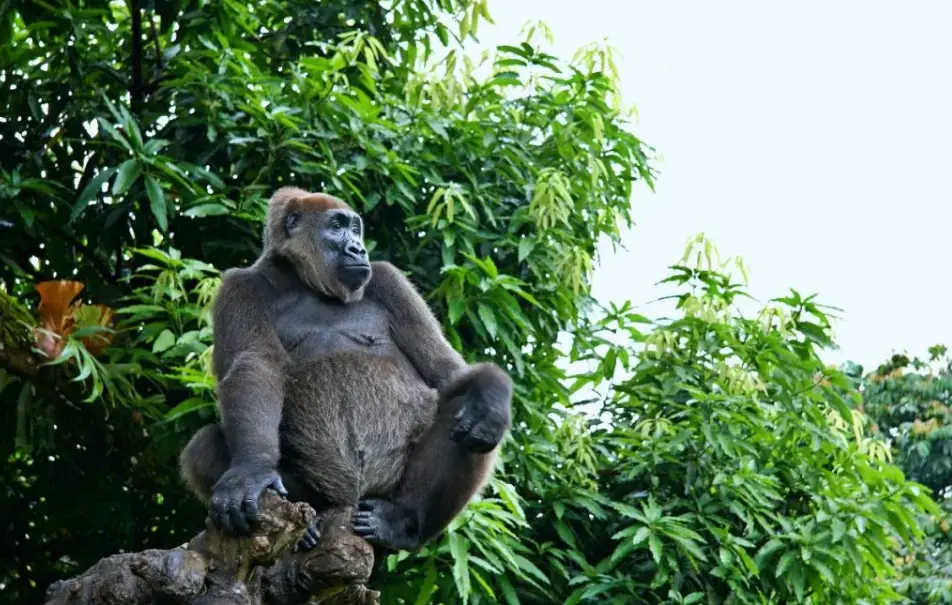
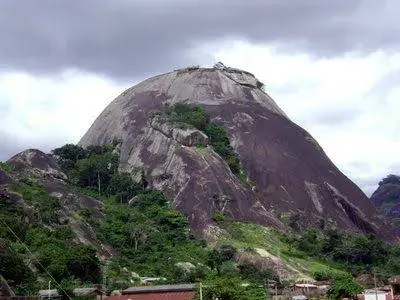
Okwangwo Division (Botatong, Boki LGA)Okwangwo is the smaller, but extremely important in conservation, division of the park. It was formally established in 1991 (from three earlier forest...
Okwangwo is the smaller, but extremely important in conservation, division of the park. It was formally established in 1991 (from three earlier forest reserves). Its area is circa 600-1000 km² (different sources give different numbers, ~640km² in some accounts) and its altitude varies a lot: from ~150 meters up to ~1,700 meters (especially near the Obudu Plateau edges). It is one of the last refuges of the Cross River gorilla (Gorilla gorilla diehli) and also hosts Nigeria-Cameroon chimpanzees, drills, forest elephants, grey-necked rockfowl, etc.
Conservation is really critical here: poaching (for bushmeat), illegal logging, land encroachment, habitat loss especially in higher elevation zones are big problems. Tourist potential: hiking in montane forest, wildlife spotting, perhaps overnight stays.

Cross River National Park
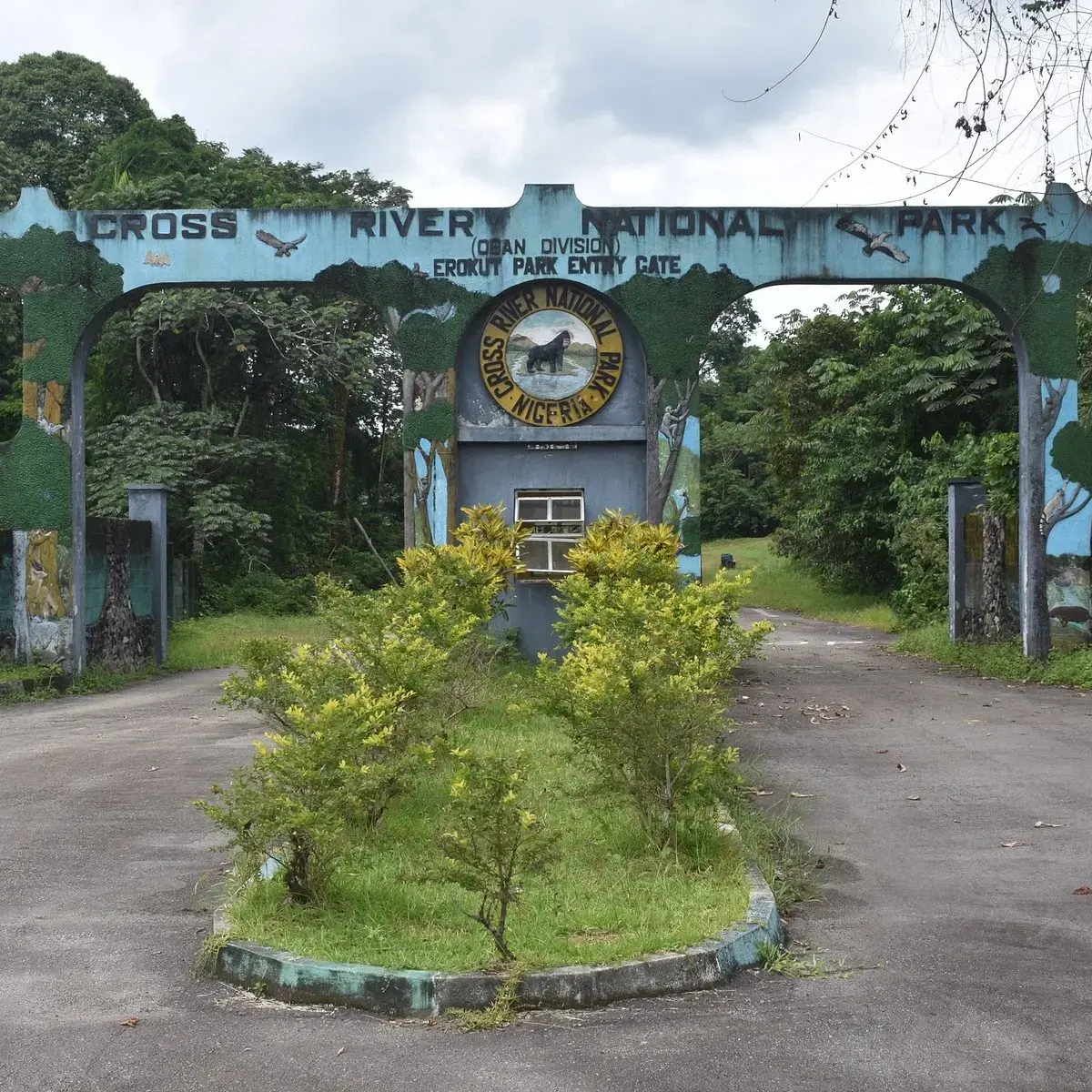
Oban Division (Akamkpa L.G.A)Oban is the larger of the two divisions of Cross River National Park (Oban and Okwangwo), located in the south-eastern part of Cross River State in Ak...
Oban is the larger of the two divisions of Cross River National Park (Oban and Okwangwo), located in the south-eastern part of Cross River State in Akamkpa L.G.A. It covers around 3,000 km² and contains extremely high biodiversity: over ~1,500 plant species, many endemic ones; dozens of mammal species including drill, chimpanzee, forest elephants; over 350 bird species; and a wide range of reptiles, insects, etc.
Its terrain is rugged, with hills and valleys, lots of rainforest (including very old growth), swamps, and multiple rivers (e.g. tributaries of Cross River, Calabar, Kwa, Korup) draining the area.
For tourism, it offers trails, birdwatching, wildlife viewing, forest experiences; but infrastructure is weak in many parts (roads, visitor facilities) so accessing many parts is difficult.
Drill Ranch / Drill Rehabilitation & Breeding Centre
Calabar and Afi Mountain / Boki regionDrill Ranch is a wildlife conservation and rehabilitation project in Cross River State, operating both in Calabar and in the Afi Mountain / Boki regio...
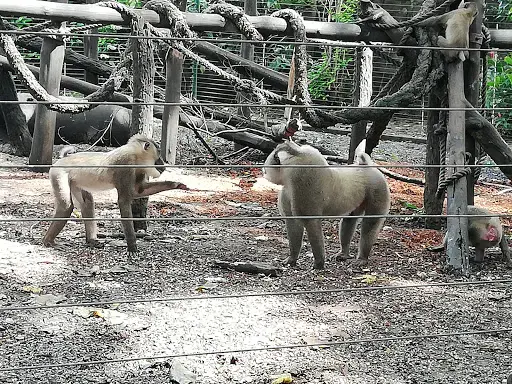
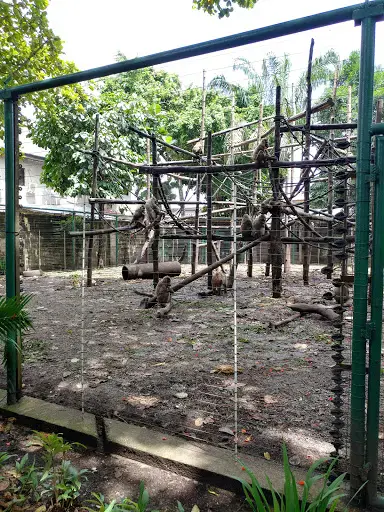
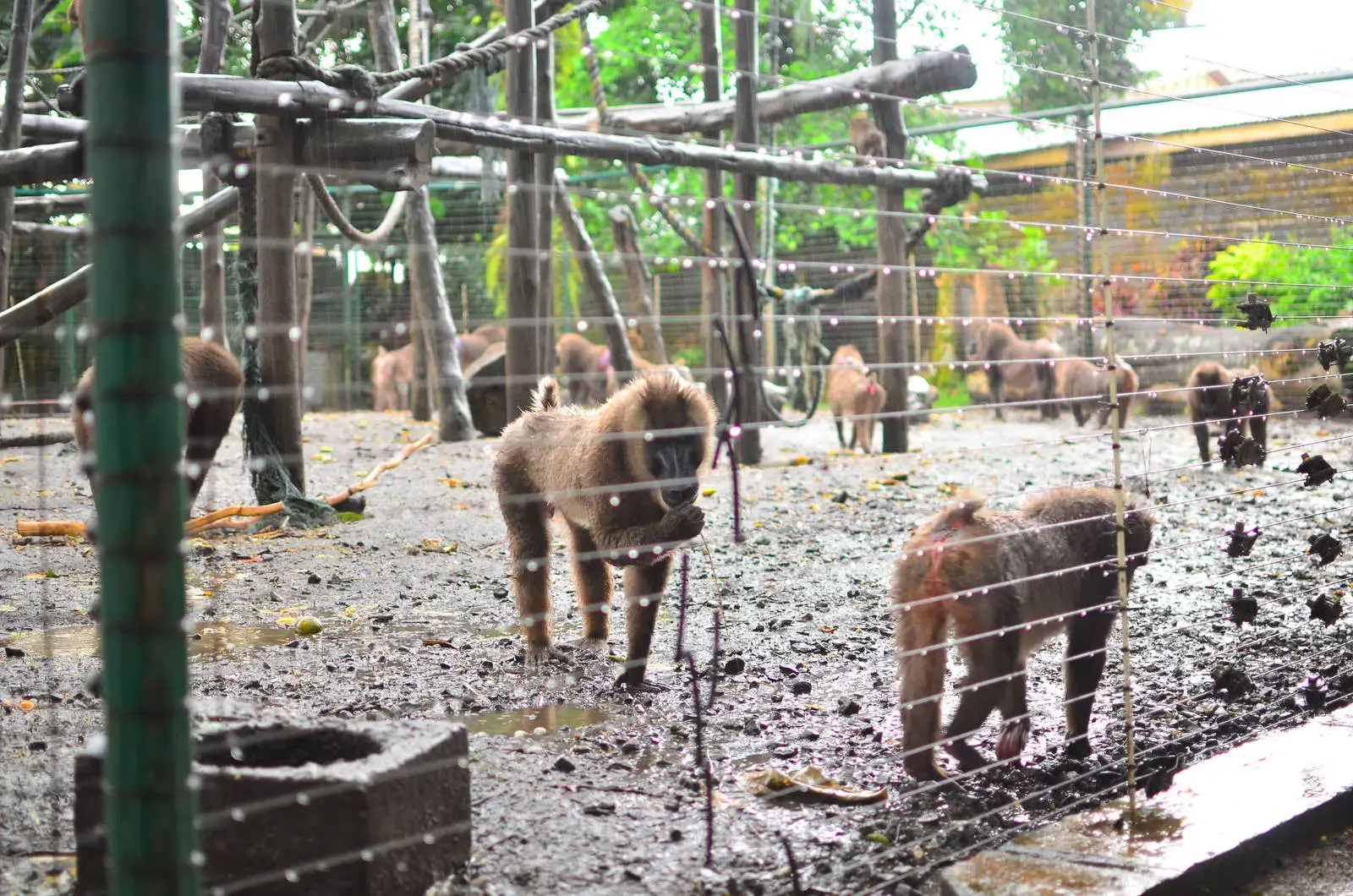
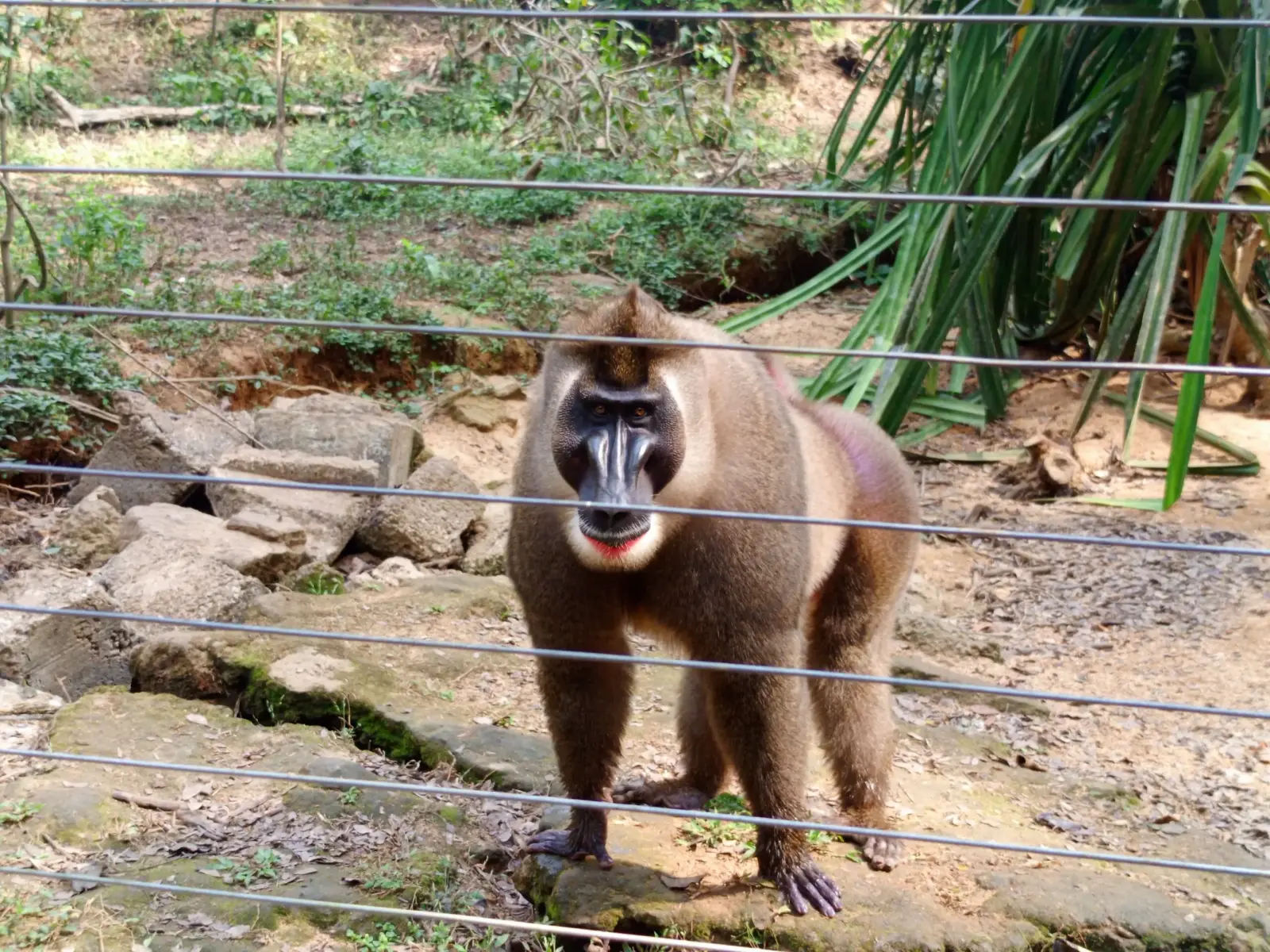
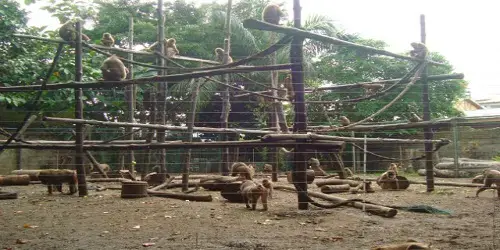
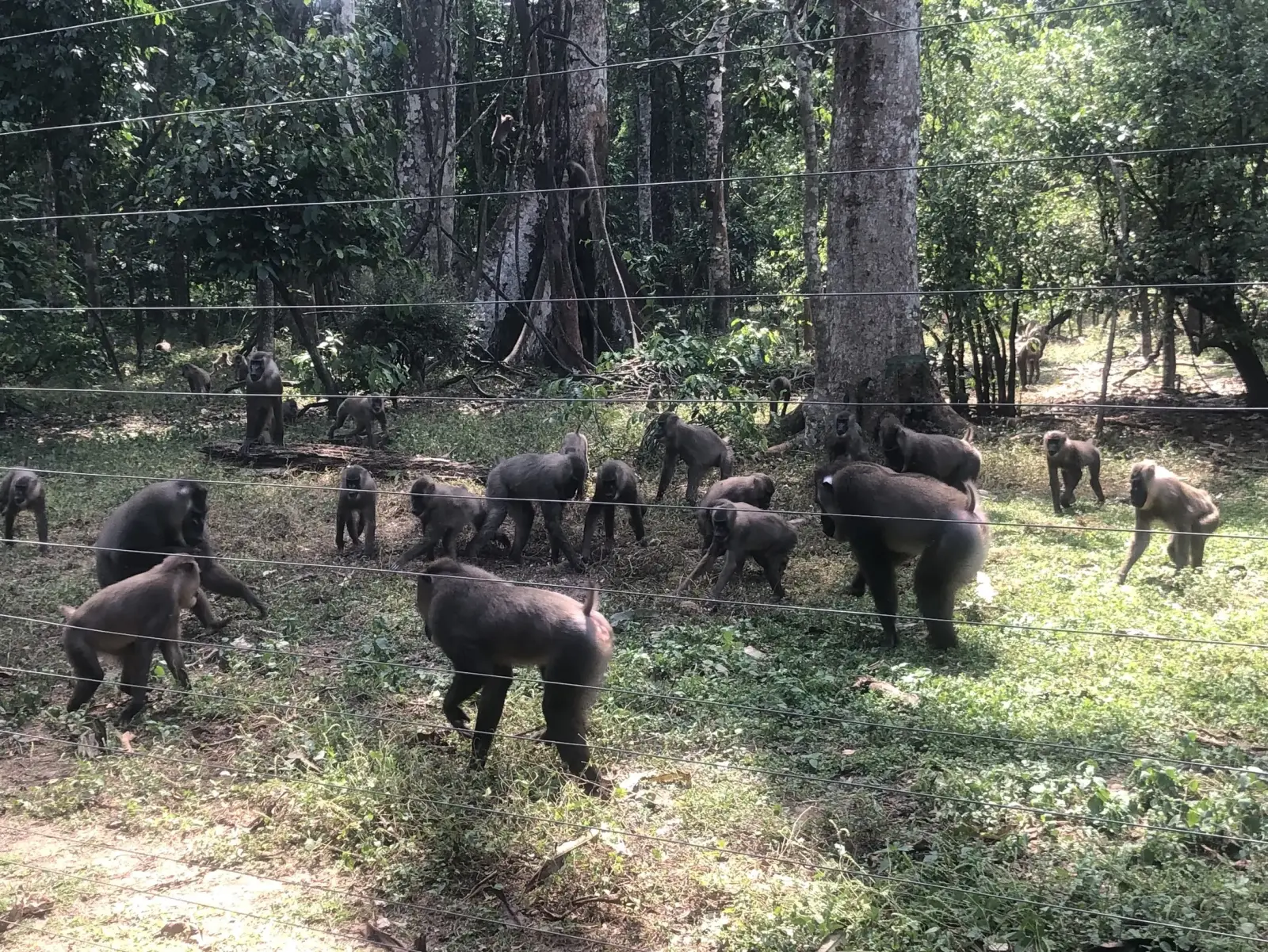
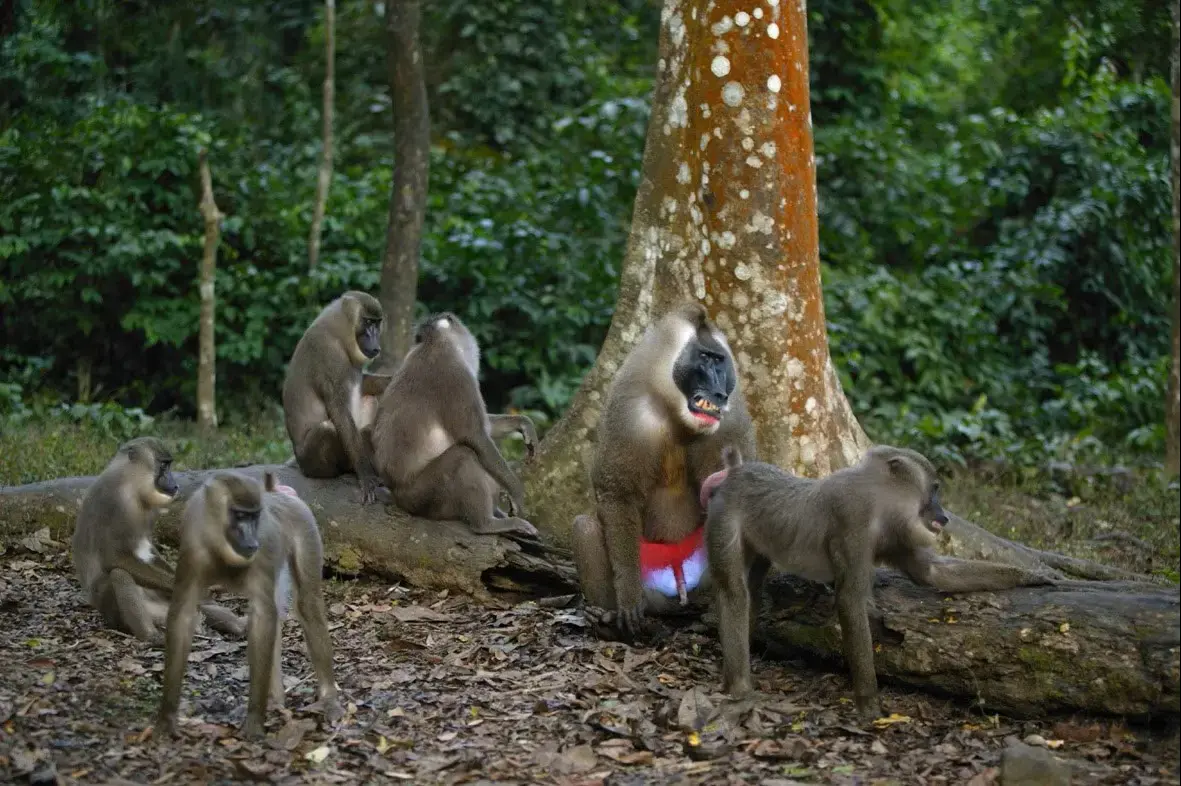
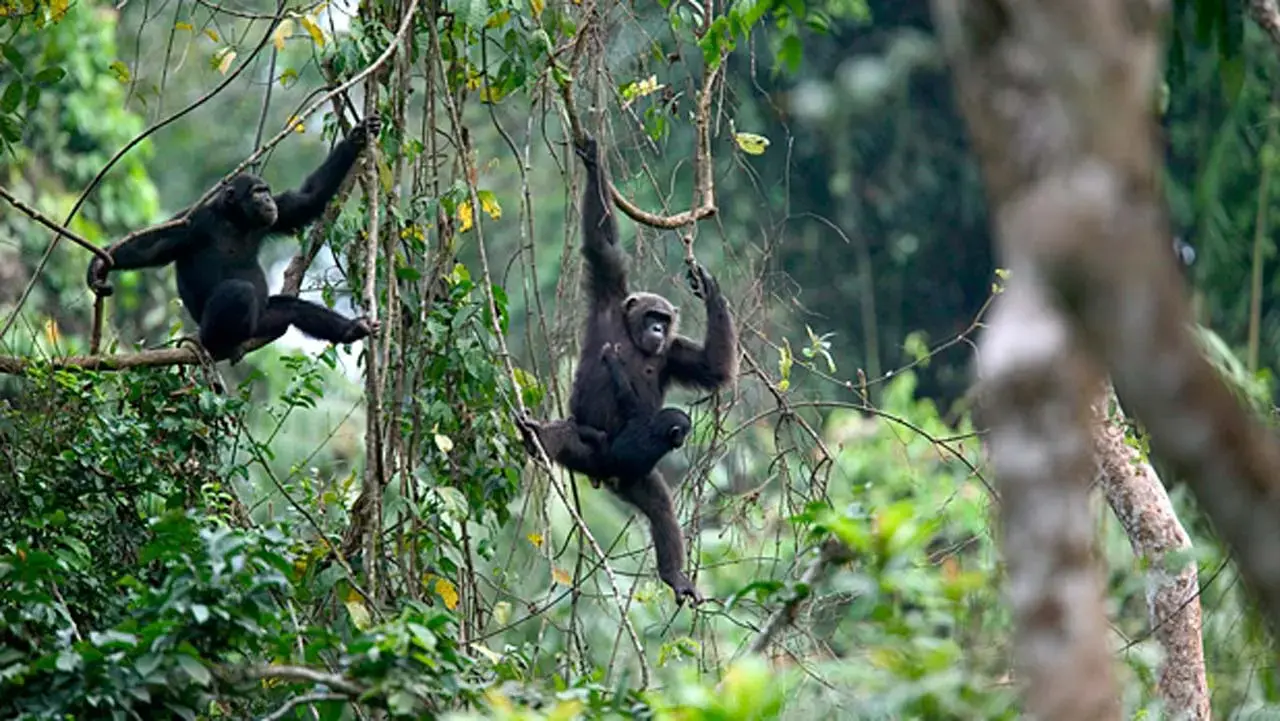
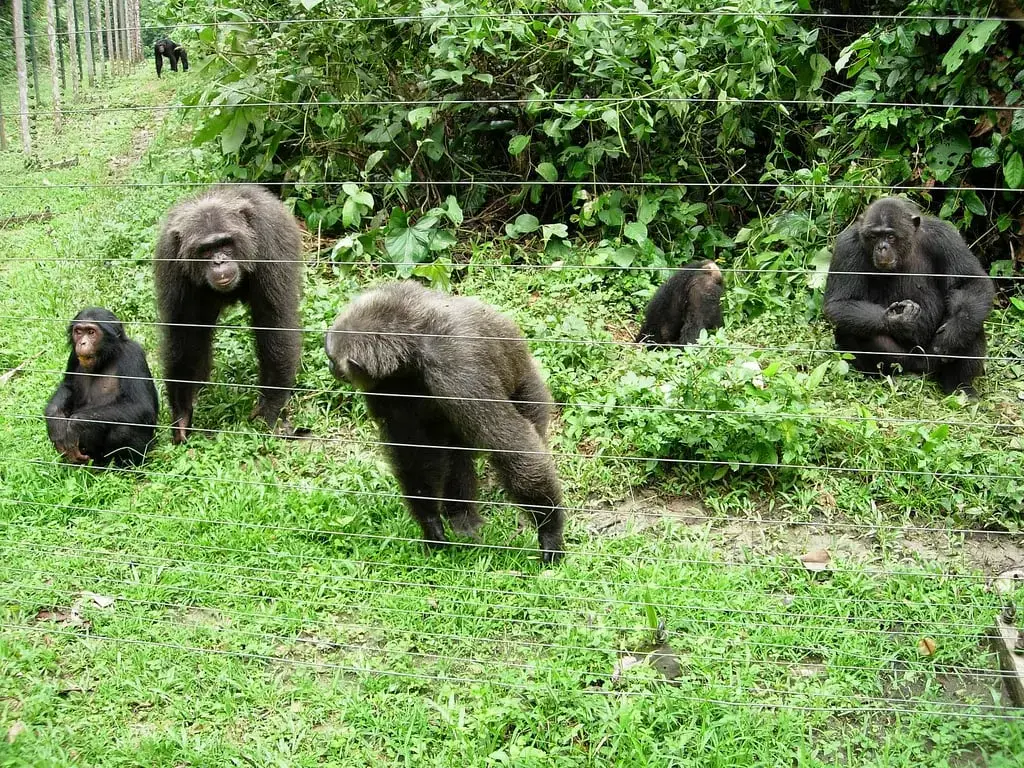
Drill Ranch is a wildlife conservation and rehabilitation project in Cross River State, operating both in Calabar and in the Afi Mountain / Boki region. It was founded in 1991 and is currently one of the most successful breeding programs for drill monkeys (Mandrillus leucophaeus) in the world. It also cares for orphaned chimpanzees.
At the Afi site, drills are held in semi-wild enclosures with electric fencing, and visitors can walk through the forest, use a canopy walkway, see the pools and waterfalls of the Bano River, and stay overnight in cabins.
The project also emphasizes community partnerships: locals are employed as rangers or guides, and part of revenues go into community development and habitat protection.
Afi Mountain Wildlife Sanctuary
Buanchor, Boki L.G.AThe Afi Mountain Wildlife Sanctuary was established around 2000 and is located in Boki LGA, Cross River State. It spans lowland and submontane forest ...
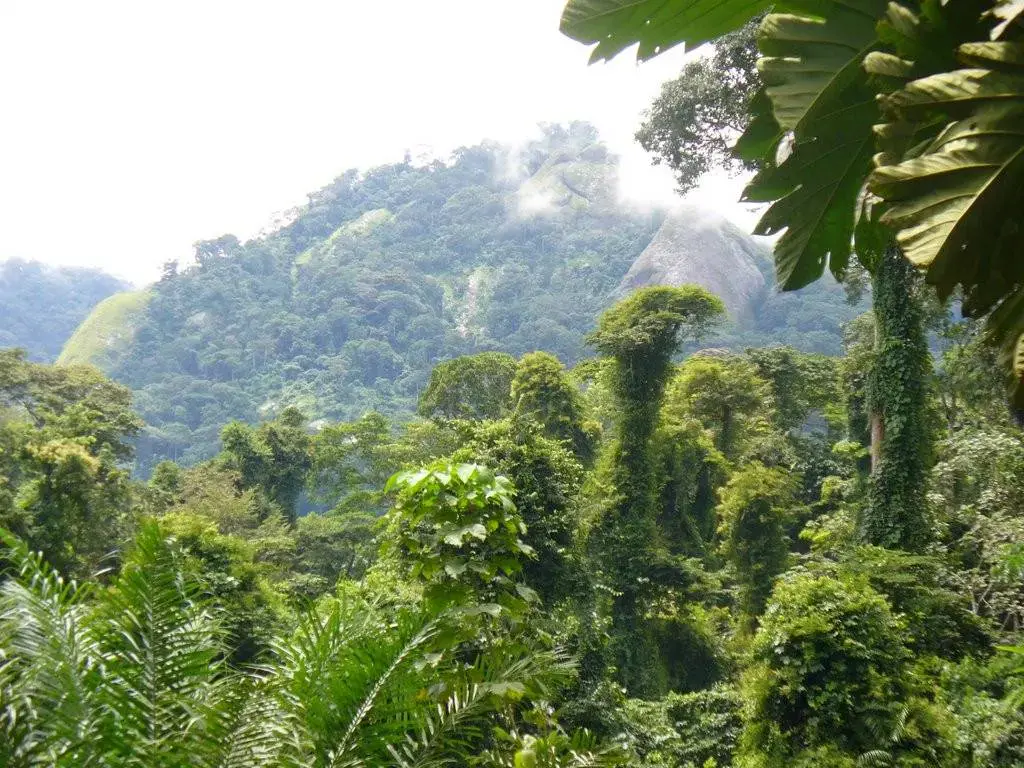
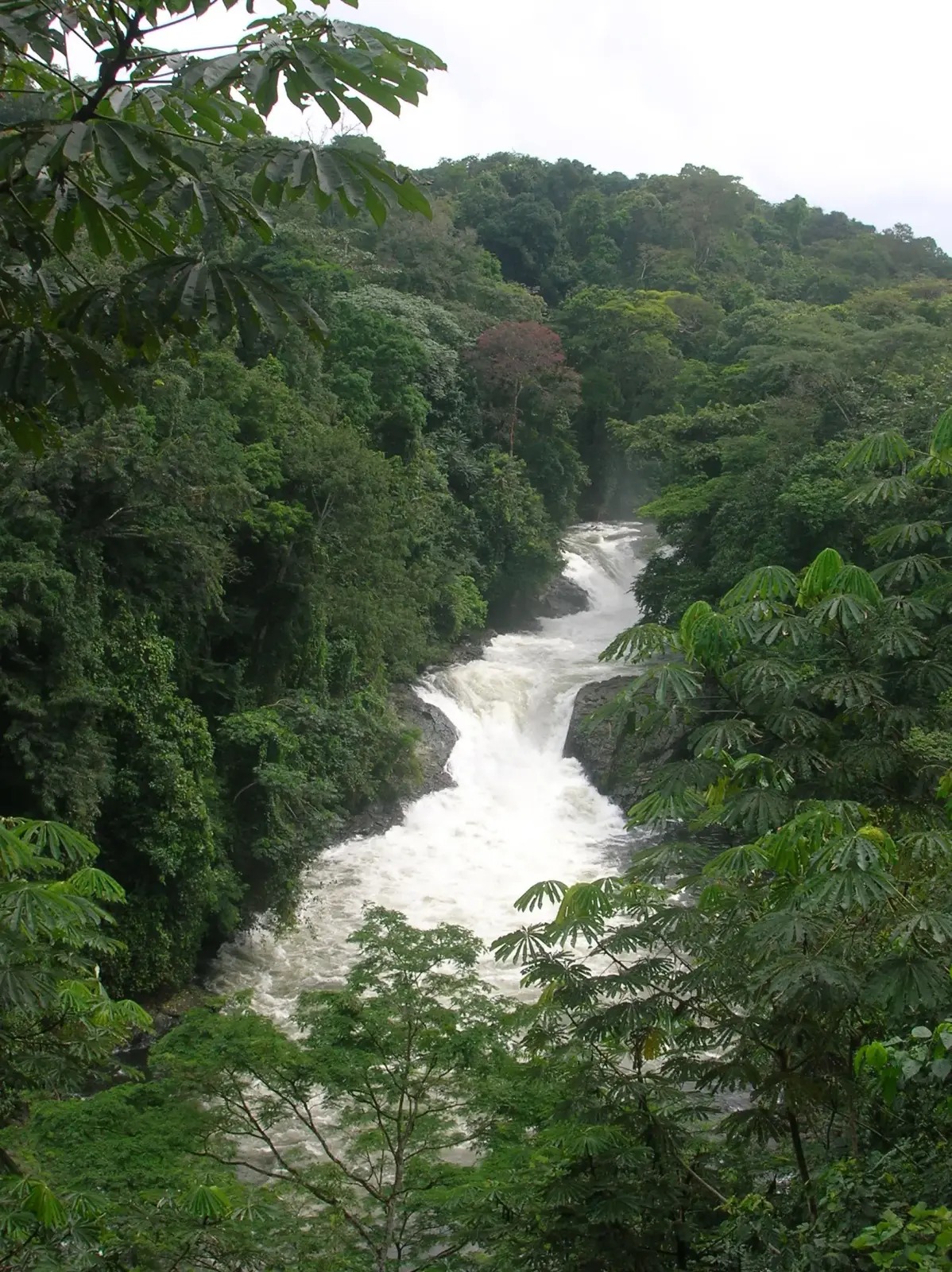
The Afi Mountain Wildlife Sanctuary was established around 2000 and is located in Boki LGA, Cross River State. It spans lowland and submontane forest around the Afi Mountains (peaks up to ~1,300 m). The sanctuary protects endangered species: Cross River gorillas (at their westernmost range), Nigerian-Cameroon chimpanzees, drills, and various birds including the migratory swallows.
For tourism, Afi provides a canopy walkway, guides for hikes, birdwatching, and lodging via Afi Mountain Ranch. It is integrated with the Drill Ranch project, and together they offer visitors a way to experience primates in a more natural forest setting.
The sanctuary is also part of a broader biosphere corridor linking with Cameroon, making it a significant node in regional conservation.
Kwa Falls
Aningeje, Akamkpa L.G.AKwa Falls is a scenic waterfall within Cross River State, located about 25 km north of Calabar along the Ikot Offiong - Ekang road. The falls cascade...
Kwa Falls is a scenic waterfall within Cross River State, located about 25 km north of Calabar along the Ikot Offiong - Ekang road. The falls cascade over rocky cliffs, forming a tiered “stair-step” visual effect, and drop into a forested pool below. Enveloped by dense tropical rainforest, it’s a serene spot for nature lovers - ideal for hiking, photography, birdwatching and picnics.
Because it lies inside parts of the National Park, visitor numbers are somewhat regulated. The journey to the falls passes through sometimes degraded forest (e.g. areas cleared for plantations).

Refome Lake
Ebom, Abi LGARefome Lake is an ox-bow lake in Ebom community, Abi Local Government Area, Cross River State. The surrounding floodplains, mangrove swamps, and sedim...
Refome Lake is an ox-bow lake in Ebom community, Abi Local Government Area, Cross River State. The surrounding floodplains, mangrove swamps, and sediment-rich lakebed support a diverse mix of aquatic plants (lotus, ferns, algae) and fauna (fish species like tilapia, amphibians, reptiles, water birds).
Due to its natural beauty and ecological richness, the Lake has been proposed (by community voices) as a strong candidate for eco-tourism development - canoe rides, biological excursions, bird watching, etc.
But as of now, access infrastructure (roads, facilities) is limited, which constrains tourism growth.
Creek Town Presbyterian Church
Creek Town, Odukpani L.G.AThis is one of the earliest Presbyterian congregations in Old Calabar, part of the Church of Scotland mission work begun in 1846. King Eyo Honesty II ...
This is one of the earliest Presbyterian congregations in Old Calabar, part of the Church of Scotland mission work begun in 1846. King Eyo Honesty II of Creek Town (r. 1835-1858) is closely linked with inviting missionaries, and the Presbyterian Church’s presence in Creek Town has been foundational in the history of Christian mission in the region.
Ekpe Shrine, Duke Town (Efe Ekpe Iboku Utan)
Efe Ekpe Iboku UtanThe Ekpe Shrine (also called Ekpe Efik Iboku) is an important traditional institution for the Efik people. Ekpe is a secret society with religious, po...
The Ekpe Shrine (also called Ekpe Efik Iboku) is an important traditional institution for the Efik people. Ekpe is a secret society with religious, political, and social functions historically: governance, social order, enforcement of norms, ritual, etc.
Its physical shrine (“lodge”) is in Duke Town, around Boco / Eyamba Street / Efe Ekpe Utan (“utam / utan” meaning the burnt lodge or shrine house) which is where members of the society gather, hold rituals, etc.
St. Margaret Hospital, Calabar
Ralph Moor RoadSt. Margaret’s is historically significant: established in 1897, it was the first public general hospital in Nigeria. The facility (or parts of it) ...
St. Margaret’s is historically significant: established in 1897, it was the first public general hospital in Nigeria. The facility (or parts of it) were eventually taken over by the University of Calabar Teaching Hospital, especially its maternity annex.
Point-of-No-Return
Esuk Mba, Akpabuyo L.G.AThis spot in Esuk Mba is historically tied to the trans-Atlantic slave trade. Locals say there was a slavery route that led to a bank of creeks, calle...
This spot in Esuk Mba is historically tied to the trans-Atlantic slave trade. Locals say there was a slavery route that led to a bank of creeks, called the “Point of No Return” because once slaves were taken to that bank, they never came back.
There is also a weekly barter‐market in Esuk Mba (established 1956) where people still trade goods without money (i.e. exchange goods directly), and that market is considered a potential tourist draw because of its cultural and historical significance.
The site has some physical relics, such as thatched houses said to have been resting points for slaves during their forced trek to the creek.
Swallow Roost Site
Ebakken / Boje, Boki LGAThe Swallow Roost in Ebakken-Boje (Boki LGA) is globally significant: each dry season millions of barn swallows (Hirundo rustica) migrate and roost in...
The Swallow Roost in Ebakken-Boje (Boki LGA) is globally significant: each dry season millions of barn swallows (Hirundo rustica) migrate and roost in this area. It is considered one of the largest known swallow roosts in Africa, and scientists have used it for long-term monitoring and bird‐ringing.
Because of its spectacle and scientific value, there have been calls to more formally protect and develop it as a bird-tourism site. But the roost faces threats from habitat loss (farm encroachment) and historically from hunting of the birds.